
What Is Borderline Personality Disorder? 10 Expert Answers On The Internet’s Most Searched BPD Questions
Borderline personality disorder, often shortened to BPD, gets talked about online a lot, and understood far less than it should. It’s often reduced to a stereotype, “manipulative,” “dramatic,” “always in crisis,” which makes it harder for people living with BPD to seek help, and harder for partners, friends, and families to know what to do.
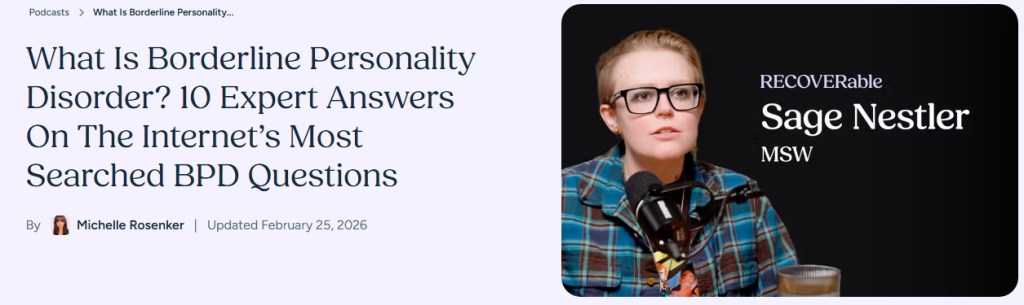
In this podcast episode, Sage Nestler, an LGBTQ+ mental health specialist and educator who lives with BPD, gives a rare mix of clinical clarity and real-life honesty. They explain what BPD actually is, why emotions can feel so intense it’s like your brain is screaming, and why the behaviors that look confusing from the outside are often attempts to escape overwhelming emotional pain.
If you’ve ever Googled “Do I have BPD?”, “What is quiet BPD?”, “How do I support someone with BPD?”, or “Is BPD narcissism?”, this is the grounded, human explanation you’ve been looking for.
Borderline Personality Disorder: 10 Clinical And Lived-Experience Answers to the Most Searched Questions
Continuing Education Course
About this course
This self-paced course provides a comprehensive exploration of Borderline Personality Disorder (BPD), a frequently misunderstood and stigmatized diagnosis in the mental health field. Structured around answering the ten most searched questions on the topic, the session delves into the neurobiological roots, diagnostic criteria, and the “Quiet” presentation of BPD. Participants will gain practical insights into the role of Dialectical Behavior Therapy (DBT) and Acceptance and Commitment Therapy (ACT) in managing emotional dysregulation and interpersonal turmoil. By the end of the course, learners will be better equipped to provide empathetic, evidence-based support for individuals living with this complex condition.
Learning Objectives
- Differentiate between the traditional presentation of BPD and “Quiet BPD,” specifically regarding the internalization of symptoms and risk for underdiagnosis.
- Describe the nine diagnostic criteria for BPD and how they manifest in clinical settings, including identity disturbance and chronic feelings of emptiness.
- Explain the clinical significance of the “Favorite Person” (FP) dynamic and how it impacts the fear of abandonment and relationship stability.
- Identify at least three DBT-based distress tolerance and emotional regulation skills applicable for de-escalating a BPD-related crisis.

